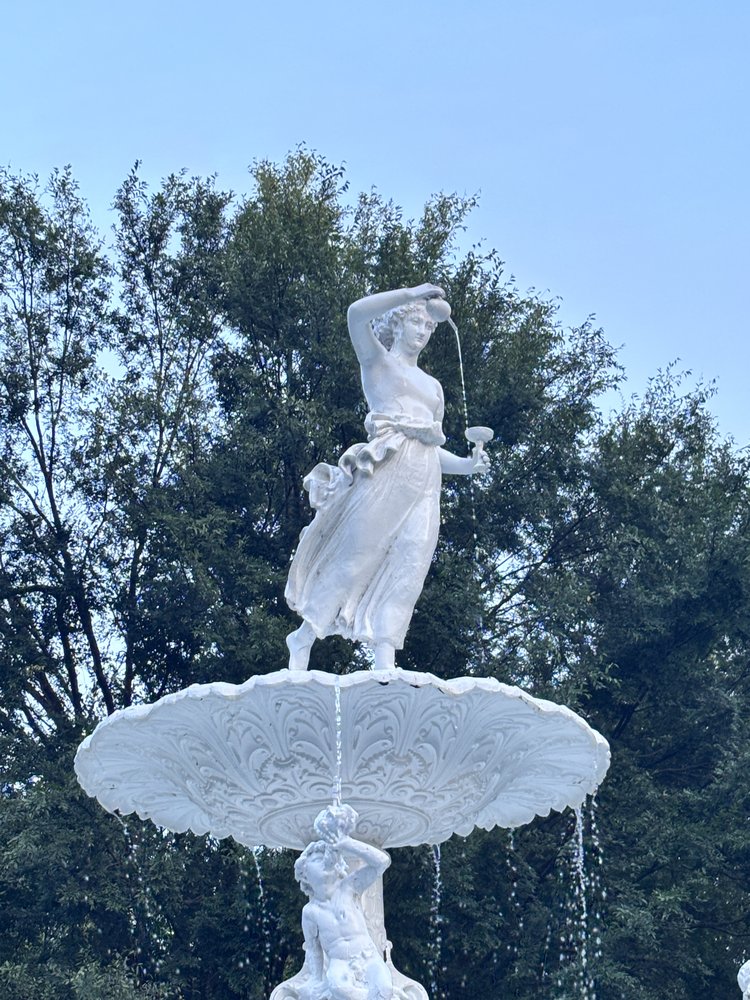
Hebe, Youth, is the daughter of Zeus and Hera (Theogony 922). In the Iliad she pours nectar for the gods (Iliad 4.2–3), yokes Hera’s chariot (Iliad 5.722) and bathes Ares (Iliad 5.905). When Herakles had finished his labours he “made Hebe the child of great Zeus and gold-shod Hera his shy wife in snowy Olympus” (Theogony 950–953; Odyssey 11.602–604).
Epithets
- Καλλίσφυρος · Kallisphyros
- neat-ankled (Odyssey 11.603)
- Γανυμήδα · Ganymeda
- her name at Phlious (Pausanias 2.13.3)
Domains and symbols
Youth and its bloom; service at the feast of the gods; the reward of labour. Admire: freshness, willing service. Sacred symbols: the cup and jug.
Myths
- Cupbearer. She pours nectar on Olympus (Iliad 4.2–3).
- Bride of Herakles. The reward of his labours (Theogony 950–955).
Cult sites
- Phlious. Her sanctuary, a place of asylum, where freed prisoners hung their fetters on the trees (Pausanias 2.13.3–4).
- Athens. An altar of Hebe at Kynosarges, beside the sanctuary of Herakles (Pausanias 1.19.3).
Offerings
Nectar’s stand-in, sweet wine or honeyed water poured from a jug. Today: honour her with Herakles at the end of a hard task.
Beneath the Divine Mind
Hebe is the Divine Mind as ever-renewed youth, personified and deified as the cupbearer of the gods. Like every god she stands beneath the One (The One and the Many).
Honouring Hebe today
- Offerings. Honeyed water poured from a jug.
Hymn
And mighty Heracles, the valiant son of neat-ankled Alcmena, when he had finished his grievous toils, made Hebe the child of great Zeus and gold-shod Hera his shy wife in snowy Olympus.Hesiod, Theogony 950–953, tr. H. G. Evelyn-White (1914), public domain. There is no Homeric or Orphic hymn to Hebe.
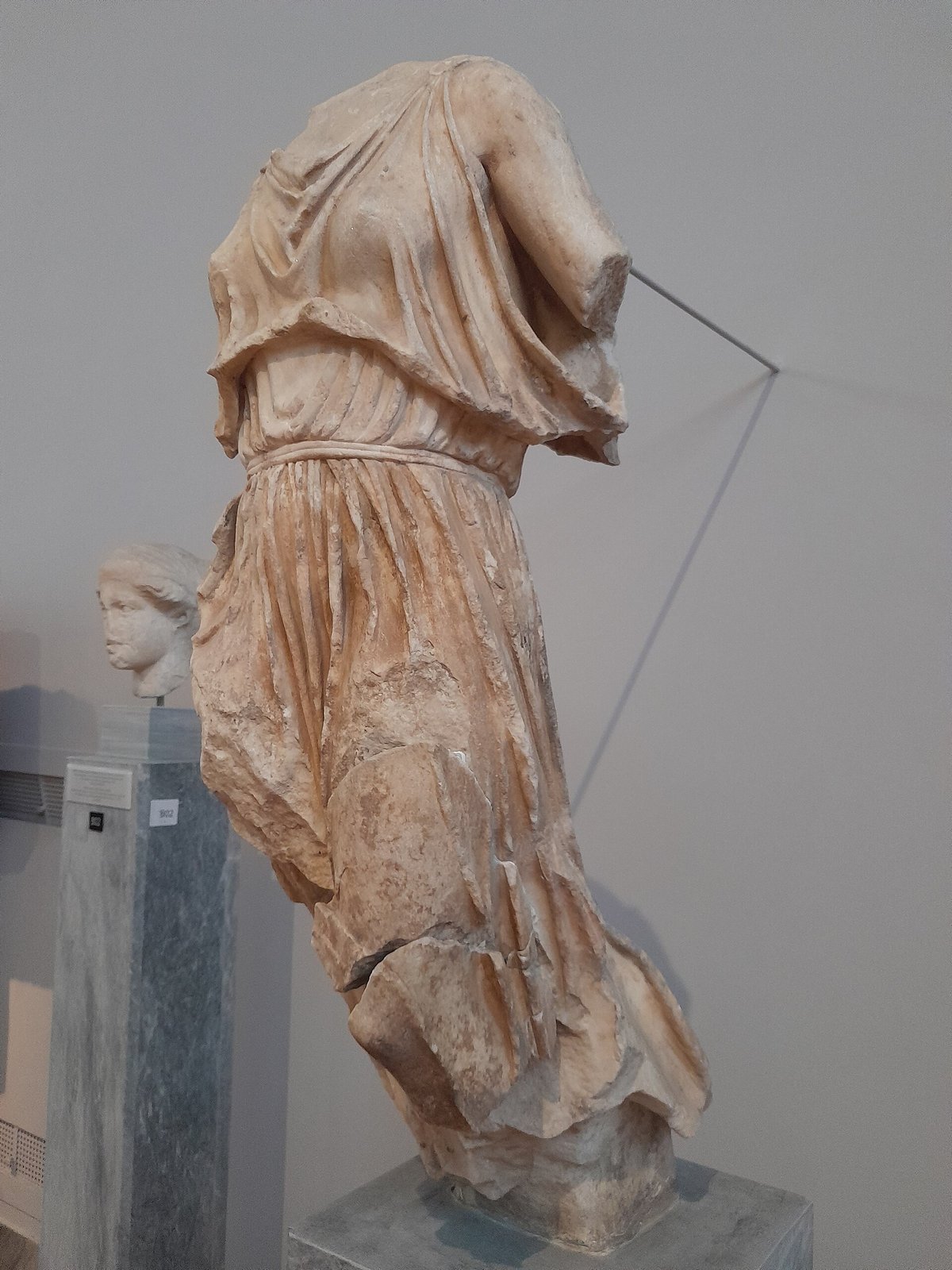
Images
Sources
Hesiod, Theogony 922, 950–955; Homer, Iliad 4.2–3, 5.722, 5.905, Odyssey 11.602–604; Pausanias 1.19.3, 2.13.3–4.
Quotations in public-domain translations (Evelyn-White 1914, Butler 1898/1900, Taylor 1792); other authors paraphrased.