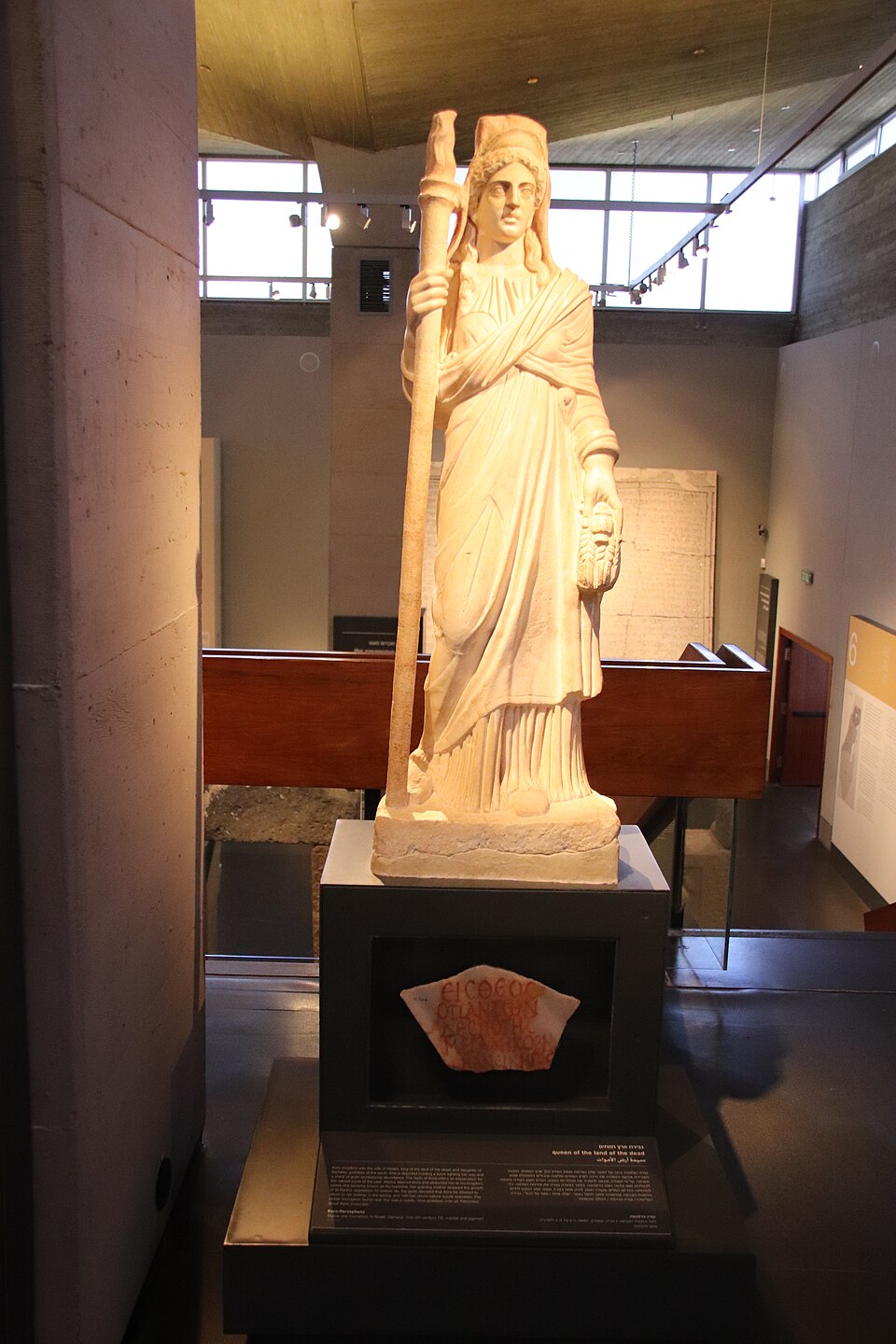
Gary Todd, CC0, via Wikimedia Commons

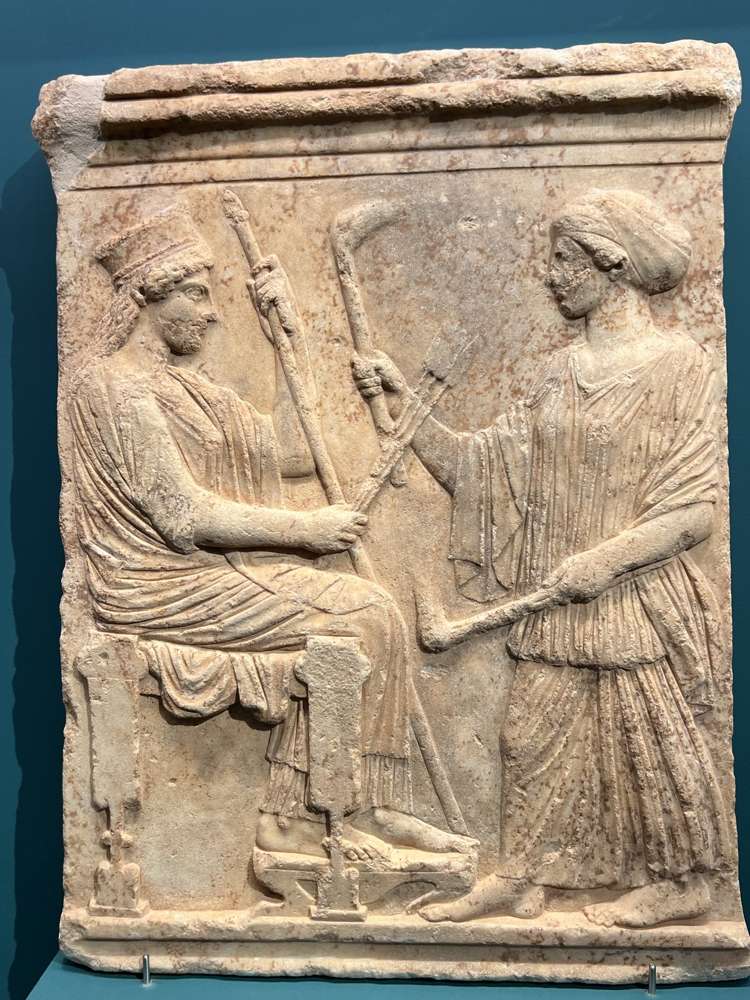
Persephone, called Kore, the Maiden, is the daughter of Zeus and Demeter (Theogony 912–914). Hades carried her off from a meadow of flowers; Demeter’s grief withheld the grain until Zeus sent Hermes to bring her back. Because she had eaten a pomegranate seed she spends a third of the year below and returns with the spring (Homeric Hymn to Demeter). She is queen among the dead, “dread Persephone” of Homer, and with her mother the heart of the Eleusinian Mysteries.
Epithets
- Κόρη · Kore
- the Maiden
- Ἁγνή · Hagne
- the holy (Odyssey 11.386)
- Ἐπαινή · Epaine
- the dread (Iliad 9.457)
- Θεσμοφόρος · Thesmophoros
- bringer of law, with Demeter at the Thesmophoria
Domains and symbols
The return of life after loss; the seed in the dark and the shoot in spring; the dead, received with mercy. Admire: patience through loss toward return. Sacred symbols: the pomegranate, the torch, ears of grain, the narcissus.
Myths
- The meadow. Gathering roses, crocuses, violets and the wondrous narcissus that Earth grew as a snare, she was seized by Aidoneus and carried off in his golden chariot (Homeric Hymn to Demeter 1–20).
- The pomegranate. Before Hermes led her back, Hades gave her a pomegranate seed to eat, and so she must return to him for a third of every year (Homeric Hymn to Demeter 371–374, 398–400).
- Hekate. Hekate, who heard her cry, became her attendant and companion (Homeric Hymn to Demeter 438–440).
- Queen of the dead. In the Underworld she sent up the shades of famous women to Odysseus (Odyssey 11.225–227).
Cult sites
- Eleusis. With Demeter she was worshipped in the Telesterion, where the Mysteries were enacted.
- Lokroi Epizephyrioi. Her rich sanctuary in southern Italy, plundered by Pleminius in 205 BC (Livy 29.8, 29.18).
Festivals
- Greater Mysteries. In Boedromion at Eleusis.
- Lesser Mysteries. At Agrai beside the Ilissos, in Anthesterion.
- Thesmophoria. The women’s festival of Demeter and Kore in Pyanepsion.
Offerings
Pomegranates, grain, honey cakes and spring flowers; torches at night. Today: offer a pomegranate in autumn and the first flowers in spring, and keep her return at the Lesser Mysteries.
Beneath the Divine Mind
Persephone is the Divine Mind as descent and return: the soul’s going down into matter and its coming back to the light, personified and deified as the Maiden of two worlds. Like every god she stands beneath the One (The One and the Many). She still acts wherever someone passes through grief and comes again into life.
Honouring Persephone today
- Altar. A pomegranate, a torch or candle, ears of grain.
- Offerings. Pomegranate seeds, honey, spring flowers.
- The months. Keep the Mysteries in Anthesterion and Boedromion with Demeter.
- Hymn. Recite the opening of the Homeric Hymn to Demeter.
Hymn
I begin to sing of rich-haired Demeter, awful goddess—of her and her trim-ankled daughter whom Aidoneus rapt away, given to him by all-seeing Zeus the loud-thunderer.Homeric Hymn 2, To Demeter, 1–3. Homeric Hymns, tr. H. G. Evelyn-White (1914), public domain.
Images
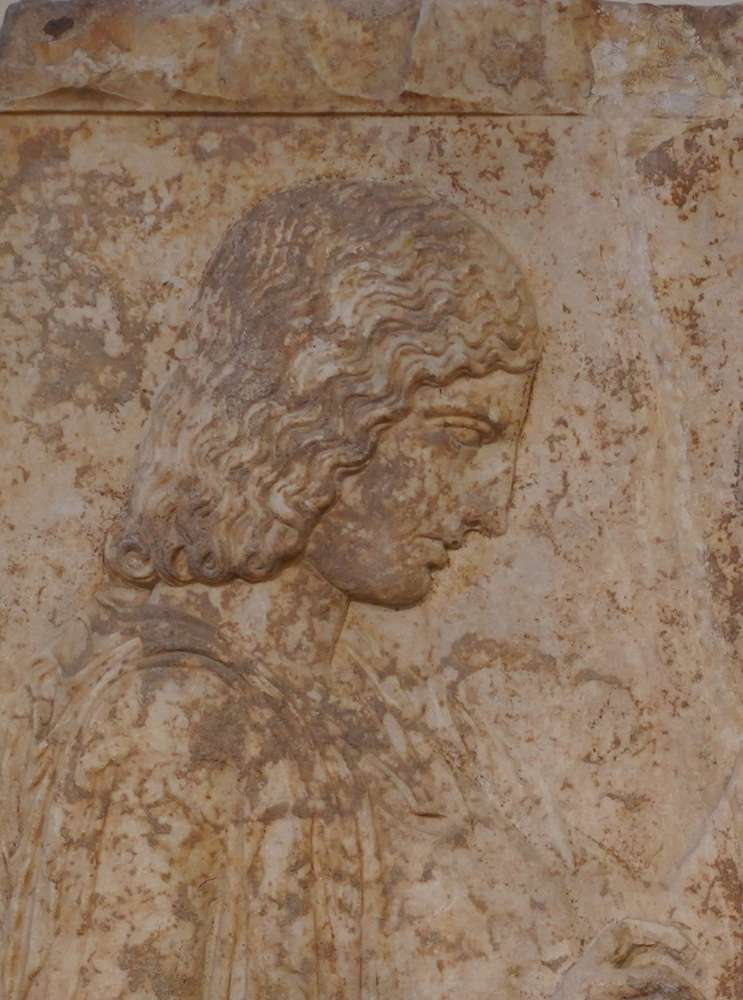
TimeTravelRome, CC BY 2.0, via Wikimedia Commons

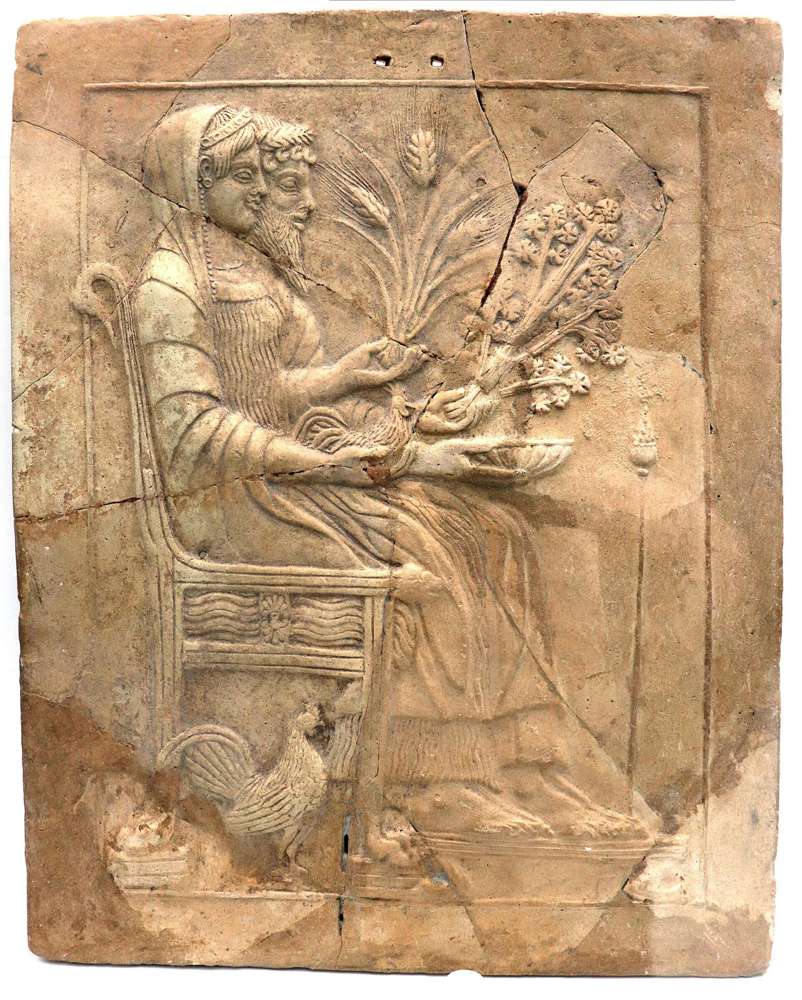
Fabien Bièvre-Perrin, CC BY-SA 4.0, via Wikimedia Commons

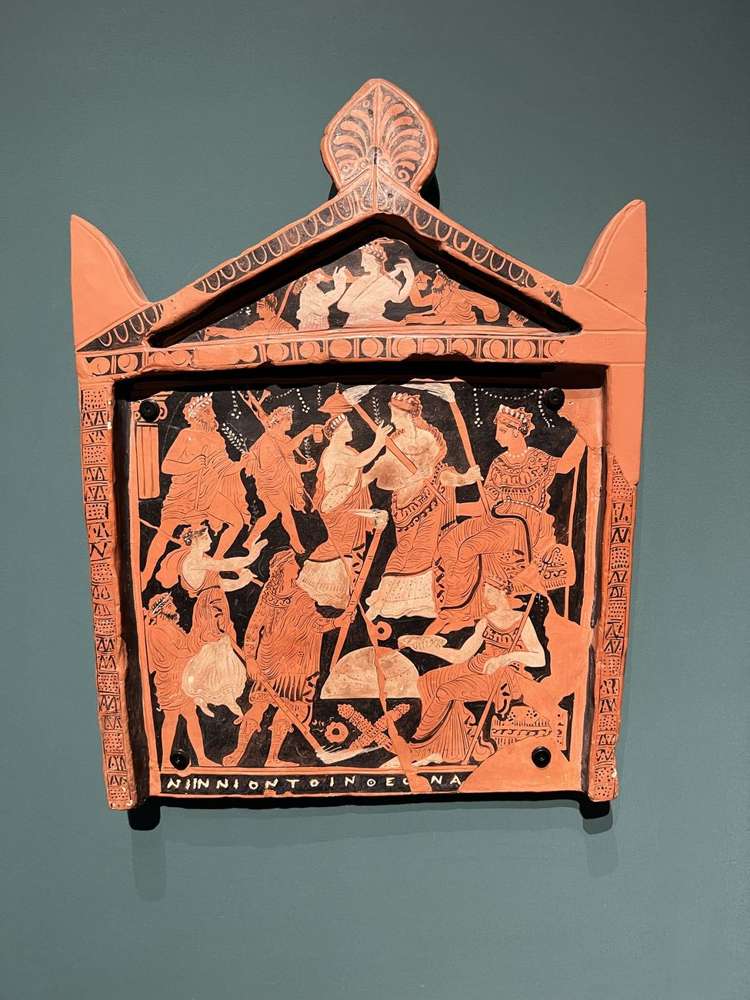
Sources
Hesiod, Theogony 912–914; Homeric Hymn to Demeter; Homer, Iliad 9.457 and Odyssey 10.491–495, 11.225–227, 11.386; Orphic Hymn 29; Livy 29.8 and 29.18.
Quotations in public-domain translations (Evelyn-White 1914, Butler 1898/1900, Taylor 1792); other authors paraphrased.