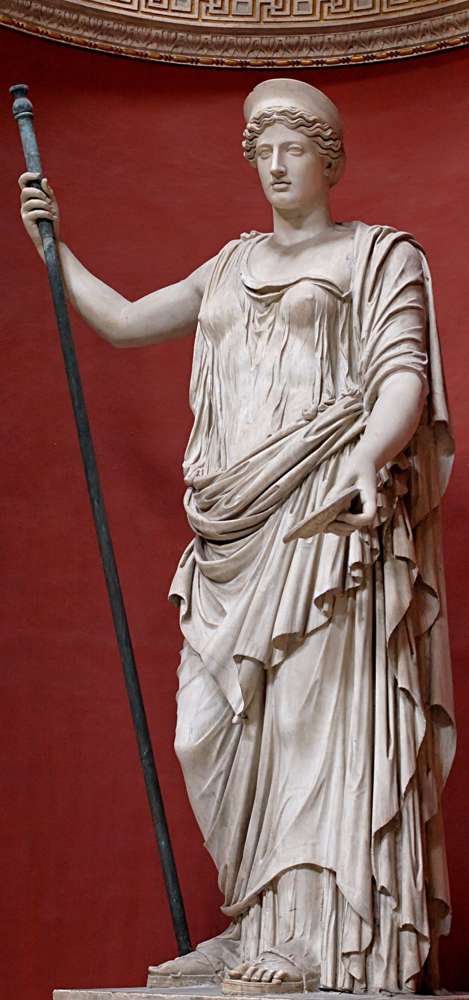
Hera, daughter of Kronos and Rhea, is queen of the gods and wife of Zeus. She presides over marriage and the life of women, and her sanctuaries at Argos and Samos were among the oldest and greatest in Greece. Homer calls her golden-throned and white-armed.
Epithets
- Τελεία · Teleia
- the fulfilled, goddess of completed marriage
- Ζυγία · Zygia
- of the yoke of marriage
- Ἀργεία · Argeia
- of Argos, her chief city
- Βοῶπις · Boopis
- ox-eyed, a Homeric epithet
- Λευκώλενος · Leukolenos
- white-armed, a Homeric epithet
- Ἀκραία · Akraia
- of the heights, honoured at Perachora and Corinth
- Παῖς, Τελεία, Χήρα · Pais, Teleia, Chera
- girl, wife and widow: three titles under which Temenos founded her cult at Stymphalos (Pausanias 8.22.2)
Myths
- The deception of Zeus. Borrowing the girdle of Aphrodite, Hera lulled Zeus to sleep on Mount Ida so that Poseidon could aid the Achaeans (Iliad 14.153–351).
- The spring Kanathos. At Nauplia, the Argives said, Hera bathed each year in the spring Kanathos and became a maiden again (Pausanias 2.38.2).
- Heracles. Hera delayed the birth of Heracles so that Eurystheus would rule over him, the root of his Labours (Iliad 19.95–133).
- Kleobis and Biton. Two Argive brothers drew their mother's cart to the Heraion for the festival; she prayed that Hera give them the best thing for mortals, and they died sleeping in the temple (Herodotus 1.31).
Cult sites
- The Argive Heraion. Between Mycenae and Argos, with the gold-and-ivory statue by Polykleitos holding a pomegranate and a sceptre topped by a cuckoo (Pausanias 2.17.4).
- Samos. Herodotus counts the Samian temple of Hera the greatest temple he knew (Herodotus 3.60).
- Olympia. The Heraion at Olympia is among the oldest Doric temples in Greece (Pausanias 5.16.1).
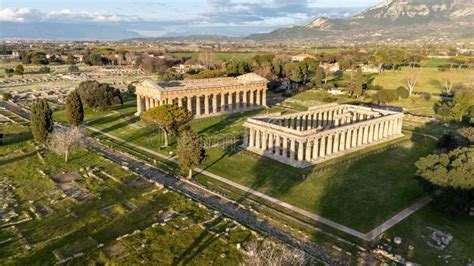
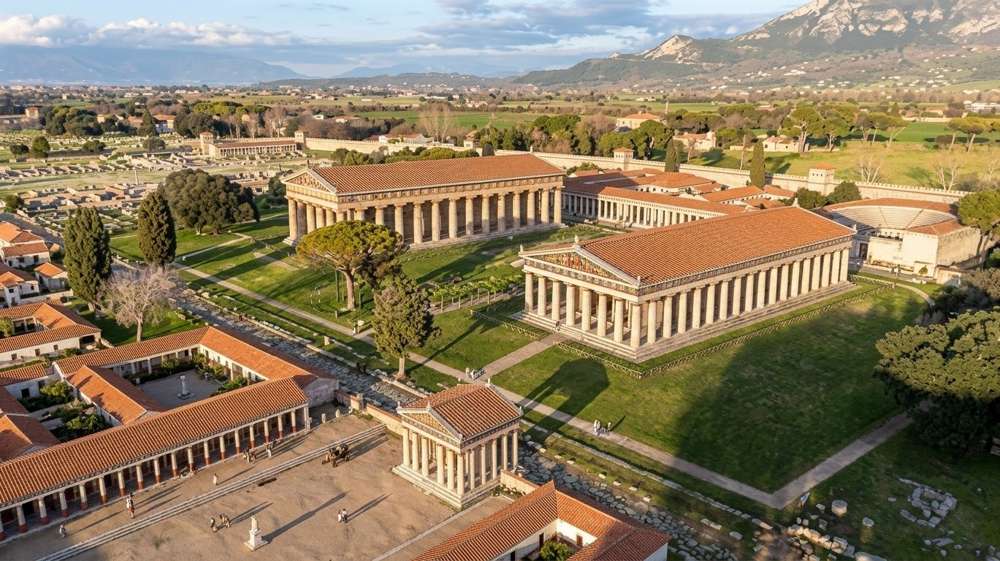
- Poseidonia (Paestum). Two great Doric temples of the Greek colony in Italy are attributed to Hera.
Festivals
- Heraia at Argos. Her great Argive festival with procession to the Heraion (Herodotus 1.31).
- Heraia at Olympia. Every fourth year sixteen women wove a robe for Hera and held races for girls (Pausanias 5.16.2–3).
- Theogamia. The sacred marriage of Zeus and Hera, celebrated in Athens in Gamelion, the month of weddings.
Offerings
The pomegranate and the cuckoo were her emblems at Argos (Pausanias 2.17.4). Brides and married women brought her gifts at the wedding season, and cows were sacrificed at the Argive Heraia.
Further epithets
- Χρυσόθρονος · Chrysothronos
- golden-throned (Iliad 1.611; Homeric Hymn 12)
- Ἀνθεία · Antheia
- of flowers, honoured at Argos (Pausanias 2.22.1)
Birth and the primary sources
Hera is the eldest daughter of Kronos and Rhea, swallowed by her father and brought back up with her brothers and sisters (Hesiod, Theogony 453–500; the full lineage is on the Theogony page). Homer says she was raised by Okeanos and Tethys at the ends of the earth while Zeus put Kronos beneath the sea (Iliad 14.201–204). Hesiod names her the last of Zeus's wives, "the blooming wife", and mother of Hebe, Ares and Eileithyia (Theogony 921–923); angry with Zeus for bearing Athena alone, she bore Hephaistos by herself (927–929).
The Iliad gives Hera her fullest portrait. She is queen of Olympus and the equal of Zeus in birth: "I too am a god, and my birth is the same as yours, and crooked-counselling Kronos begot me as the eldest" (Iliad 4.58–61). In the fourteenth book she bathes in ambrosia, borrows the embroidered band of Aphrodite, and lies with Zeus on Mount Ida, where the earth sends up crocus, lotus and hyacinth beneath them and a golden cloud covers them (14.153–351). She is the fierce protector of the Achaeans and of Argos, Sparta and Mycenae, the three cities she names as dearest to her (4.51–52).
Her wrath against the children of Zeus by other mothers runs through the myths. Apollodorus tells how she sent serpents against the infant Herakles, drove him mad, and set him his labours through Eurystheus (Library 2.4.8; 2.4.12). Yet at the end she received Herakles on Olympus and gave him her daughter Hebe as wife (Odyssey 11.602–604; Theogony 950–955). Pindar sings of her sanctuary at Argos and the bronze shield given as the prize of her games (Nemean 10.21–23). Euripides puts her into the Herakles, sending Lyssa, Madness, against the hero. Herodotus records the Argive priestess Kydippe, whose sons Kleobis and Biton yoked themselves to her cart and drew her forty-five stades to the Heraion; she prayed Hera to grant them the best thing for mortals, and they died sleeping in the temple (Herodotus 1.31).
Domains and symbols
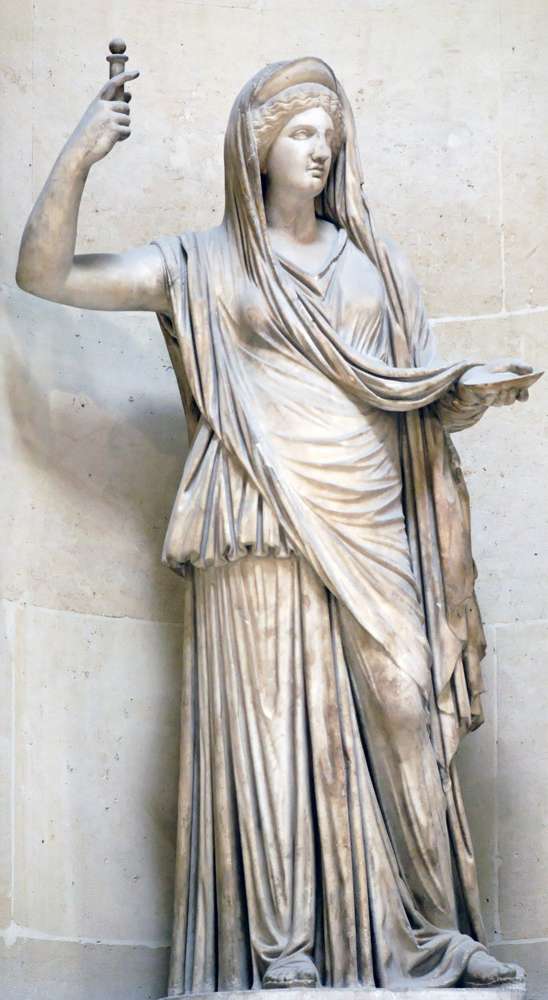
Hera is the goddess of marriage, of the wife and the household's lawful bond, of women through every stage of life, and of childbirth through her daughter Eileithyia. She is a queen: she wears the polos crown and the veil, holds a sceptre and sits enthroned. Her bird is the peacock, kept at her temple on Samos, where Athenaeus says the birds first came to Greece (Athenaeus 14.655a); her other creatures are the cow and the cuckoo, the bird whose form Zeus took to court her (Pausanias 2.17.4). The pomegranate, which Polykleitos placed in the hand of her statue at Argos, is her fruit; the lily and the willow (lygos), beneath which she was born on Samos, are her plants.
Sanctuaries and cults
- The Argive Heraion. Her great sanctuary on a terrace between Argos and Mycenae. The older temple burned in 423 BC when the priestess Chrysis fell asleep beside a lamp (Thucydides 4.133); the new one held the chryselephantine Hera of Polykleitos.
- The Heraion of Samos. The island claimed her birth beside the Imbrasos river. Herodotus counted its temple, built by Rhoikos, the largest he had seen (Herodotus 3.60). The single column still standing today belongs to the later temple begun under Polykrates.
- Olympia. The Heraion at Olympia is the oldest temple in the Altis. There sixteen women wove a robe for her every fourth year and held the Heraia, a footrace for girls (Pausanias 5.16.2–4).
- Perachora and Paestum. She was honoured as Akraia on the headland across from Corinth, and in the two great Doric temples at Poseidonia (Paestum), shown below.
At Athens her marriage to Zeus was celebrated at the Theogamia in the month Gamelion, the month of weddings, when couples preferred to marry. Every fourth year Argos held the Heraia, with a procession, a hecatomb of oxen and games for the bronze shield.
Statues and art
Polykleitos made the gold-and-ivory Hera of Argos: enthroned, crowned with a polos worked with the Graces and the Hours, holding a pomegranate and a sceptre topped by a cuckoo (Pausanias 2.17.4). Strabo ranked it with the Zeus of Pheidias as the most beautiful of images (Strabo 8.6.10). The earliest Hera of Samos was a plank of wood; the Olympia Heraion held a great limestone head of the goddess, now in the Olympia museum. The Barberini Hera in the Vatican and the Campana Hera in the Louvre preserve Roman versions of classical types. On the east frieze of the Parthenon Hera unveils herself before Zeus, the gesture of the bride.
Beneath the Divine Mind
Hera is the Divine Mind as bond and fidelity: its power to join and to keep what is joined, fractured off, personified and deified as the queen of heaven. She is the consort of sovereignty, the order of Zeus made binding through covenant. Like every god she stands beneath the One, as set out on The One and the Many. She still acts wherever a marriage is honoured and a promise between two people is kept through hardship.
Honouring Hera today
- Altar. A peacock feather, a pomegranate, or a sprig of willow or lily sets her altar apart.
- Offerings. Pour wine, milk and honey; offer flowers, especially lilies; burn myrrh or frankincense.
- Marriage rites. Pray to Hera Teleia and Zeus Teleios on a wedding day and on each anniversary, and to Eileithyia before a birth.
- The month. Keep the Theogamia on 27 Gamelion with a shared meal for married couples.
- Hymn. Recite the Homeric Hymn above or Homeric Hymn 12, "I sing of golden-throned Hera".
Hymn
I sing of golden-throned Hera whom Rhea bare. Queen of the immortals is she, surpassing all in beauty: she is the sister and wife of loud-thundering Zeus, the glorious one whom all the blessed throughout high Olympus reverence and honour even as Zeus who delights in thunder.Homeric Hymn 12, To Hera. Homeric Hymns, tr. H. G. Evelyn-White (1914), public domain.
Images
Marie-Lan Nguyen, Public domain, via Wikimedia Commons

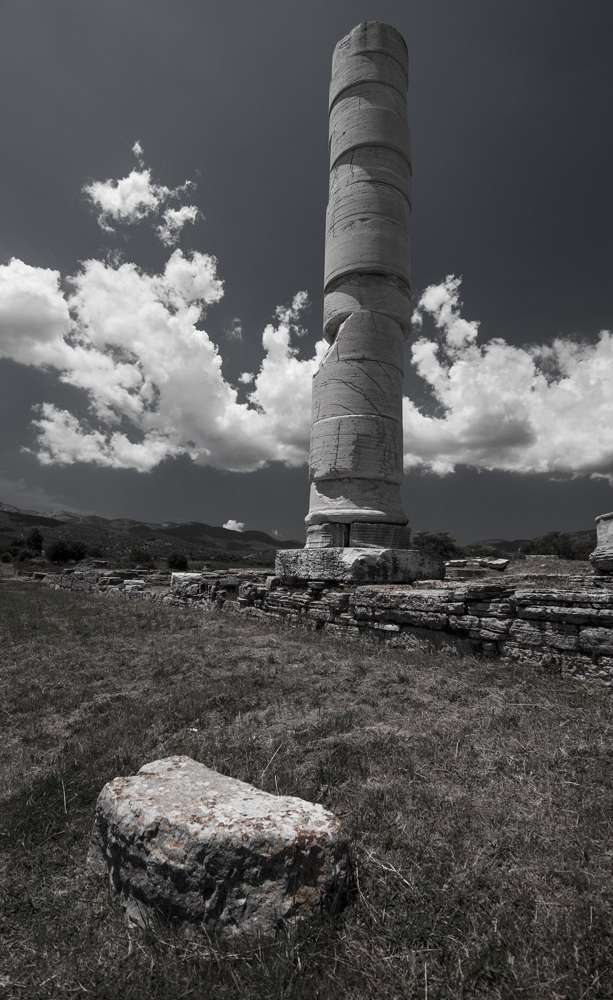
GrigorisKoulouriotis, CC BY-SA 4.0, via Wikimedia Commons

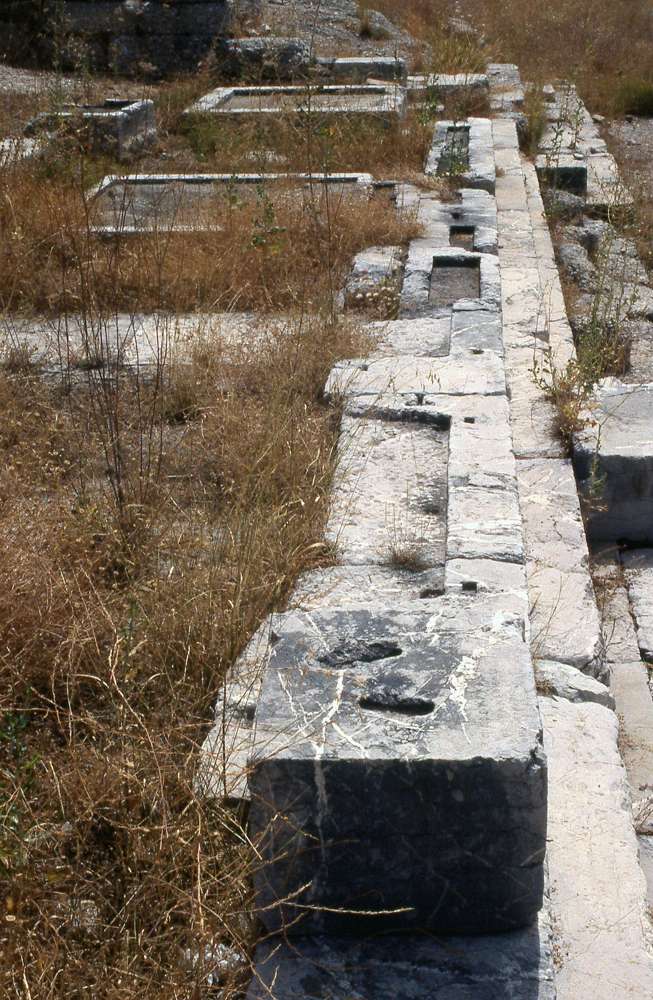
Mark Landon, CC BY 4.0, via Wikimedia Commons

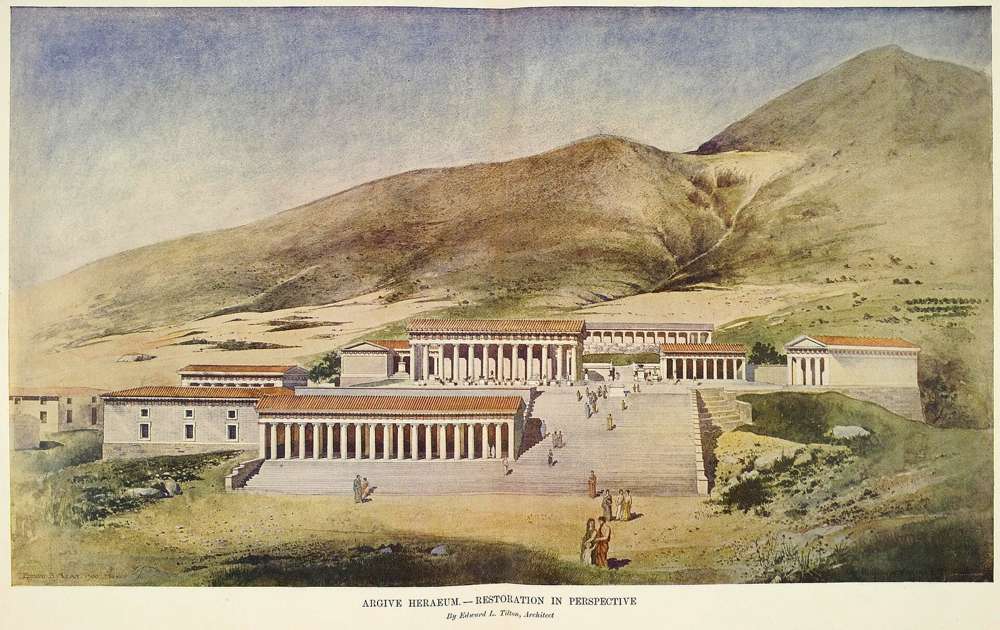
Edward Lippincott Tilton, Public domain, via Wikimedia Commons

Sources
Homer, Iliad 1, 4 and 14, and Odyssey 11; Hesiod, Theogony; Homeric Hymn 12; Pindar, Nemean 10; Euripides, Herakles; Herodotus 1.31 and 3.60; Thucydides 4.133; Apollodorus, Library 2; Strabo 8.6.10; Pausanias 2.17, 5.16 and 8.22; Athenaeus 14.655a.
Quotations in public-domain translations (Evelyn-White 1914, Butler 1898/1900, Taylor 1792); other authors paraphrased.